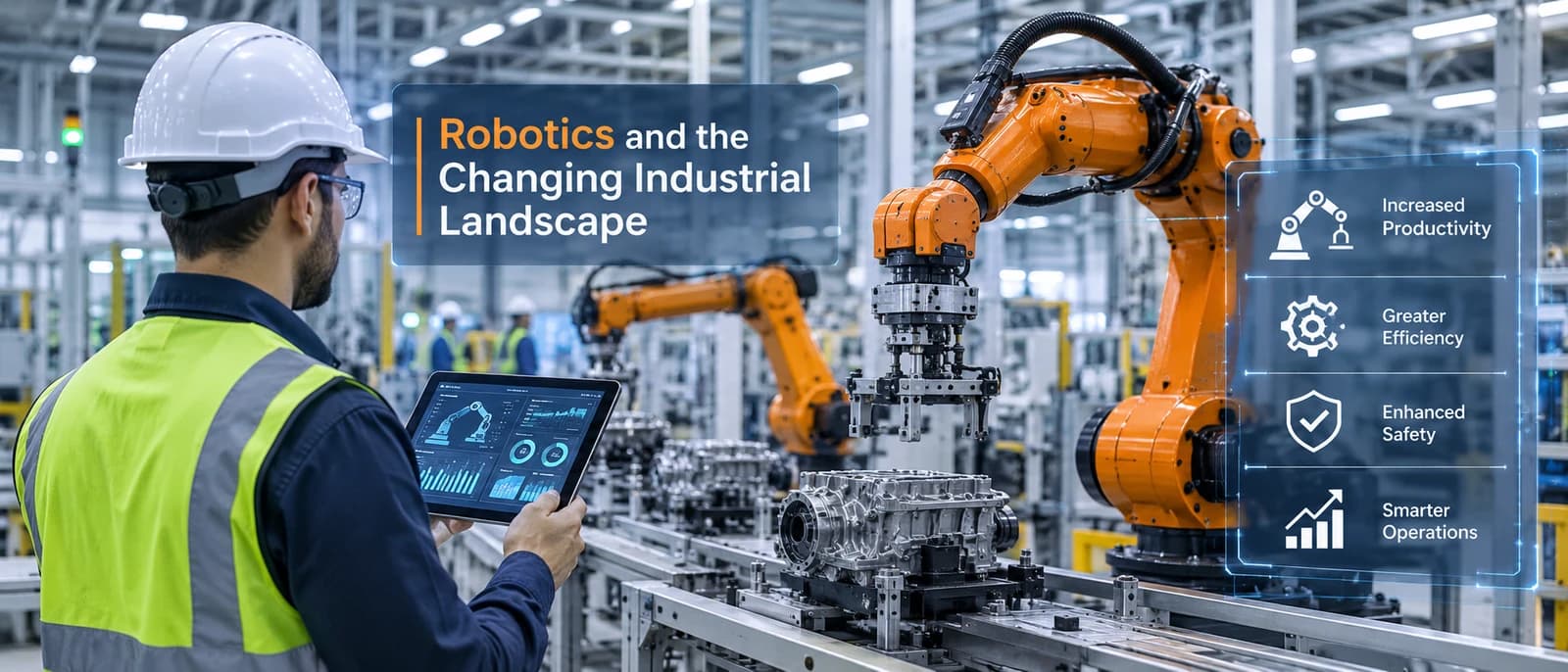
The integration of robotics and automation is already having a big impact in many industries such as manufacturing, logistics, health care etc. In this blog post, I will try to throw some light on the current state of industrial robotics, the new trends and its impact on businesses and workers.
The Rise of Collaboratives
The use of collaborative robots or “cobots” is on the rise. These robots are designed to work alongside humans in order to perform tasks such as assembly, quality inspection and material handling. They are equipped with sensors and safety features that allow them to sense the presence of humans and react accordingly.
This can be very useful for medium-sized companies that need to produce quickly in order to stay competitive. In addition to increasing productivity, cobots can also help to relieve physical strain on workers and can even be re-programmed to handle different tasks as needed.
The Internet of Things (IoT) in Robotics
Robotics is currently converging with other technologies and industries. By giving robots sensors, connectivity and data analysis tools, companies can gain insight into their operations in real-time and make data-driven decisions.
This can include things like monitoring the health of a robot and predicting when it will need maintenance, or even communicating with other connected devices such as conveyor belts and inventory management systems in order to optimize workflow and make the most use of resources.
Furthermore, the data generated by IoT-enabled robotics can be analyzed to identify trends, predict problems and make improvements to processes before they occur. This can lead to increased efficiency, reduced costs and improved quality of products.
Workforce for the Robotic Age
While there is some concern that robotics will take away jobs from people, there are also opportunities for workers in the industry. As more and more industries start to implement robotics, it will be important for workers to develop skills in order to work with the technology.
In order to be able to work in a world with robotics, workers will need to be equipped with the right skills. This will mean companies need to invest in upskilling and reskilling programs for their employees, to help them develop the problem-solving and teamwork skills required to work with and manage the robotics.
In addition to traditional jobs, the use of robotics in industry creates a host of new jobs. These include the role of robotics programmer, the role of maintenance technician, and that of data analyst. All of these jobs require a combination of skills and knowledge of the industry, and can provide many opportunities for workers to specialize in the area of automation.
The Future of Robotics in Industry
The possibilities for robotics in industry are endless. With the advent of more intelligent, flexible and self-learning systems, we will see robots that can carry out even more complex tasks in the future.
Flexible and reconfigurable robotics systems will be used in manufacturing to allow for the production of different products on the same line. Autonomous mobile robotics will be used in warehouses for order fulfillment and for last-mile delivery in the logistics and supply chain industry.
The healthcare industry has already begun to implement the use of robotics. Examples of the use of robotics in healthcare include help with patient care and rehabilitation as well as performing surgery with more precision and less invasiveness, leading to better outcomes for patients and quicker recovery times.
Conclusion
- The integration of robotics into industry is driving change and new ideas as never before. However, the adoption of robotics by businesses will require careful management of the transition of workers to new roles and the acquisition of new skills by workers.
- In order to succeed in the future, companies must build a culture of learning, collaboration and flexibility. This will enable them to fully exploit the potential of robotics to drive growth, increase efficiency and create value for all stakeholders.
- The future of industry will be shaped by the progress of robotics, and those companies that embrace this change will be best placed to succeed in the years to come.
- As the Head of Robotics & IoT, I am very excited to be at the forefront of this revolution, helping to shape a future where humans and machines work together in harmony to deliver results.